
She was in the mood for popcorn. I was, well, not so much. I make perfectly good popcorn, but dinner had been plenty salty and I was thinking something sweet was a better idea. I thought about s’mores—but since we had neither marshmallows nor graham crackers, that was a non-starter.
Yes, I make perfectly good marshmallows. But not instantaneously. (Also, I’m not sure we have gelatin.) And, yes, I should probably look up a graham cracker recipe (or at least add graham crackers to the shopping list), but that’s still not going to help now.
But we do have plenty of chocolate. What would happen if I added chocolate chips to a bowl of hot popcorn? (Probably nothing much, I decided. I Googled. I got an idea. I got out the Dutch oven.
Fifteen minutes later I put the pot between us on the coffee table.
“Write it down,” she said forcefully. “In exact detail.”
Peanut Butter Cup Popcorn
Put 3 Tbsp oil in a heavy-bottomed pan over high heat. (Peanut oil is best, but we were out; I used canola and kept a close eye on the pot.)
Add 3 popcorn kernels to the pot and put the lid on, slightly ajar.
Meanwhile, add to a microwave-safe bowl or measuring cup:
3 oz. peanut butter
4 oz. good quality chocolate
1 Tbsp butter
Heat, stirring every 30 seconds, until all the chocolate is melted. Stir to combine.When the third kernel pops, remove the pot from the heat and add 1/3 cup popcorn kernels. Put the lid on the pot and wait for 30 seconds.
Put the pot back on the heat, with the lid ajar. Shake the pot now and again so nothing sticks or burns. When the popping slows to once every 2 or 3 seconds, remove from heat and carefully remove the lid.
Pour the chocolate-peanut butter mixture over the hot popcorn (which is still in the hot pan) and stir until all the popcorn is coated. Add a bit of salt as desired (depending, mostly, on how salty the peanut butter is).
Serve, along with napkins. This stuff is sticky and messy and wonderful.
Here’s where it gets tricky. She said to write it down in exact detail. I used half of a Godiva Masterpieces Milk Chocolate Caramel Lion of Belgium Bar (1.5 oz) and half of a Theo Dark Chocolate Coconut bar (1.5 oz). But that’s what I used because that’s what I had at hand—both bars were already opened; the caramel bar had been in our shared Easter basket, and the chocolate-coconut bar had been left over from a batch of brownies she made a week or so ago. I think the caramel in the Godiva bar was useful in making the chocolate sauce more gooey-licious, but I would have happily used chocolate chips instead if neither bar had been opened.It was not too salty, it was not too sweet; it was crunchy and gooey. It was sort of the best of both popcorn worlds. We’ll definitely try it again.

By the way, here’s the way I usually make perfectly good popcorn.
Perfectly Good Popcorn
Follow the popping instructions as above.
While the oil is heating, combine
2 tsp salt
1/2 tsp smoked paprika
1/4 tsp black pepper
1 oz. finely grated Parmesan cheese
Toss the hot popcorn with 3 Tbsp melted butter, then add the spice mixture; stir to combine.


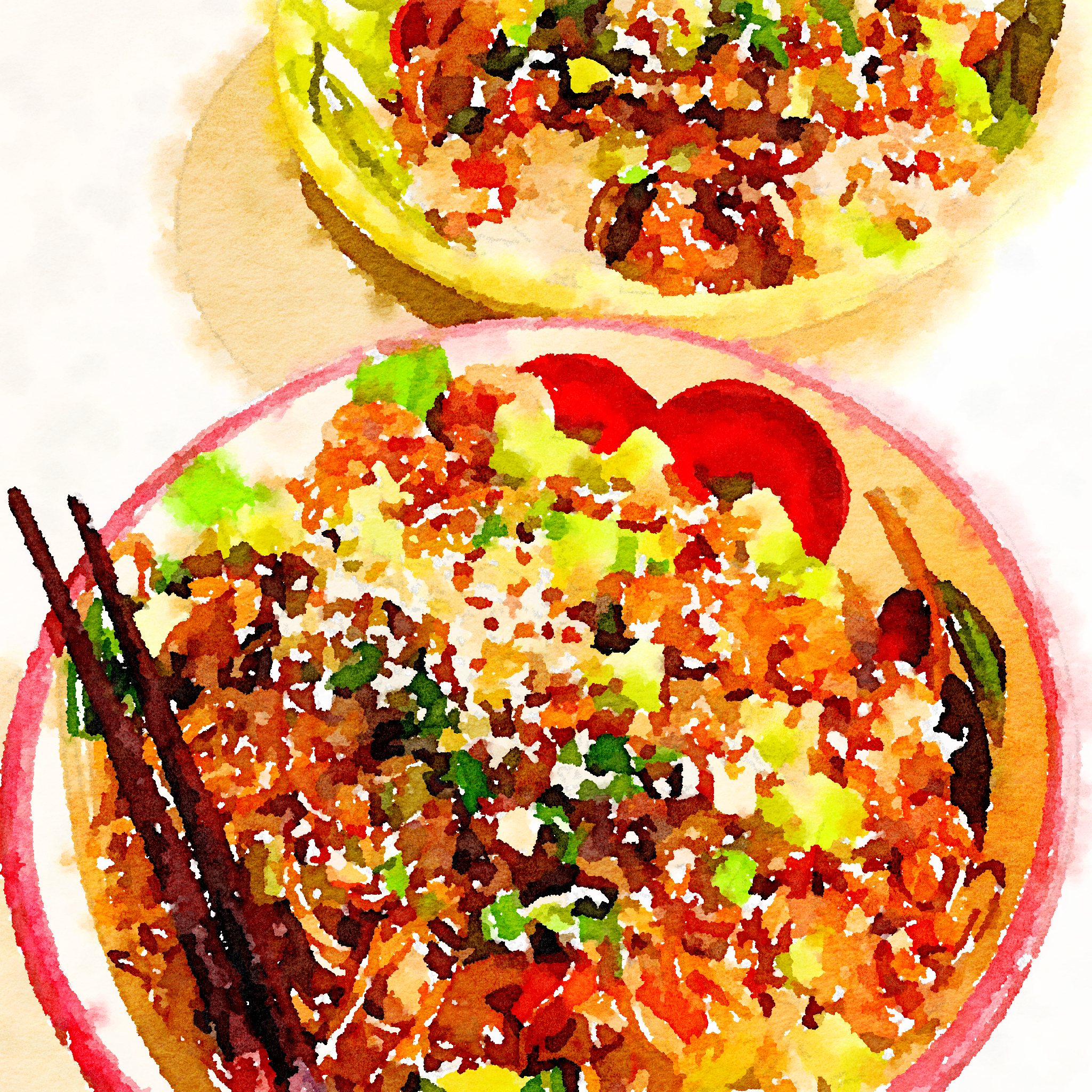


 She misses burritos more than almost anything. I mean, obviously not more than the freedom to be outdoors, and the feeling that it is safe to go to the market, but quite a lot.
 You know those signs they hang in factories–“X days without an accident”? Well, I nearly needed to reset the one in the kitchen to 0.
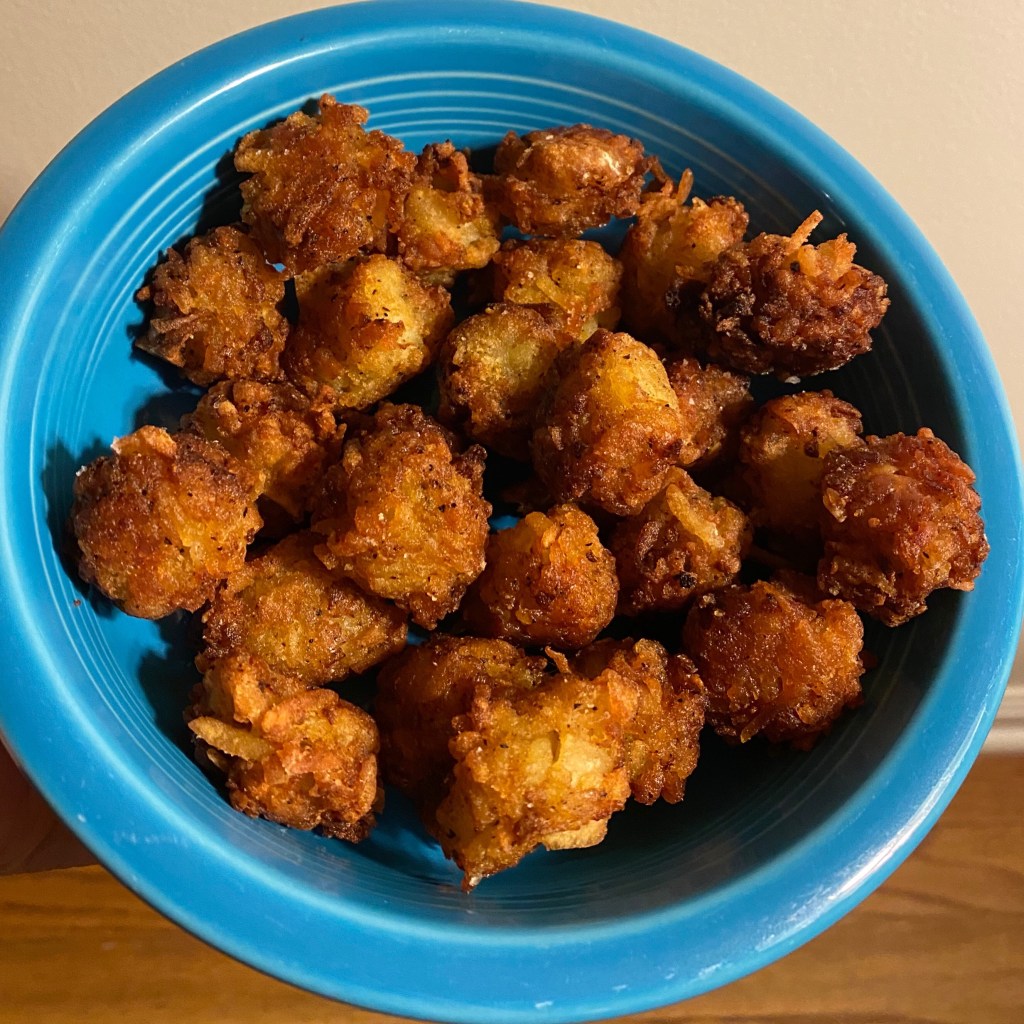
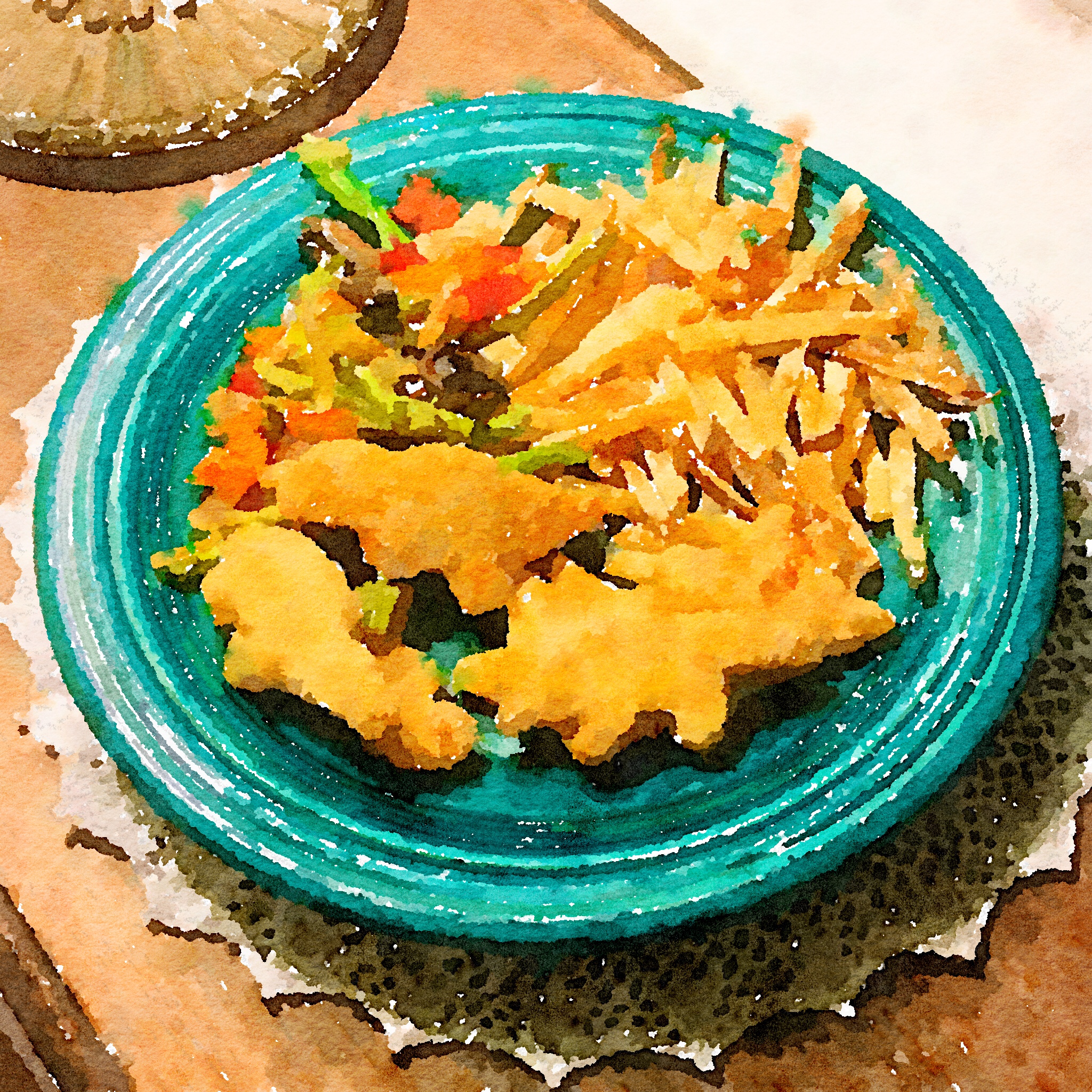 “Oh, and I also vacuum-sealed the Dino-Bites,” I said when she came down to collect kitchen towels for the next load of laundry.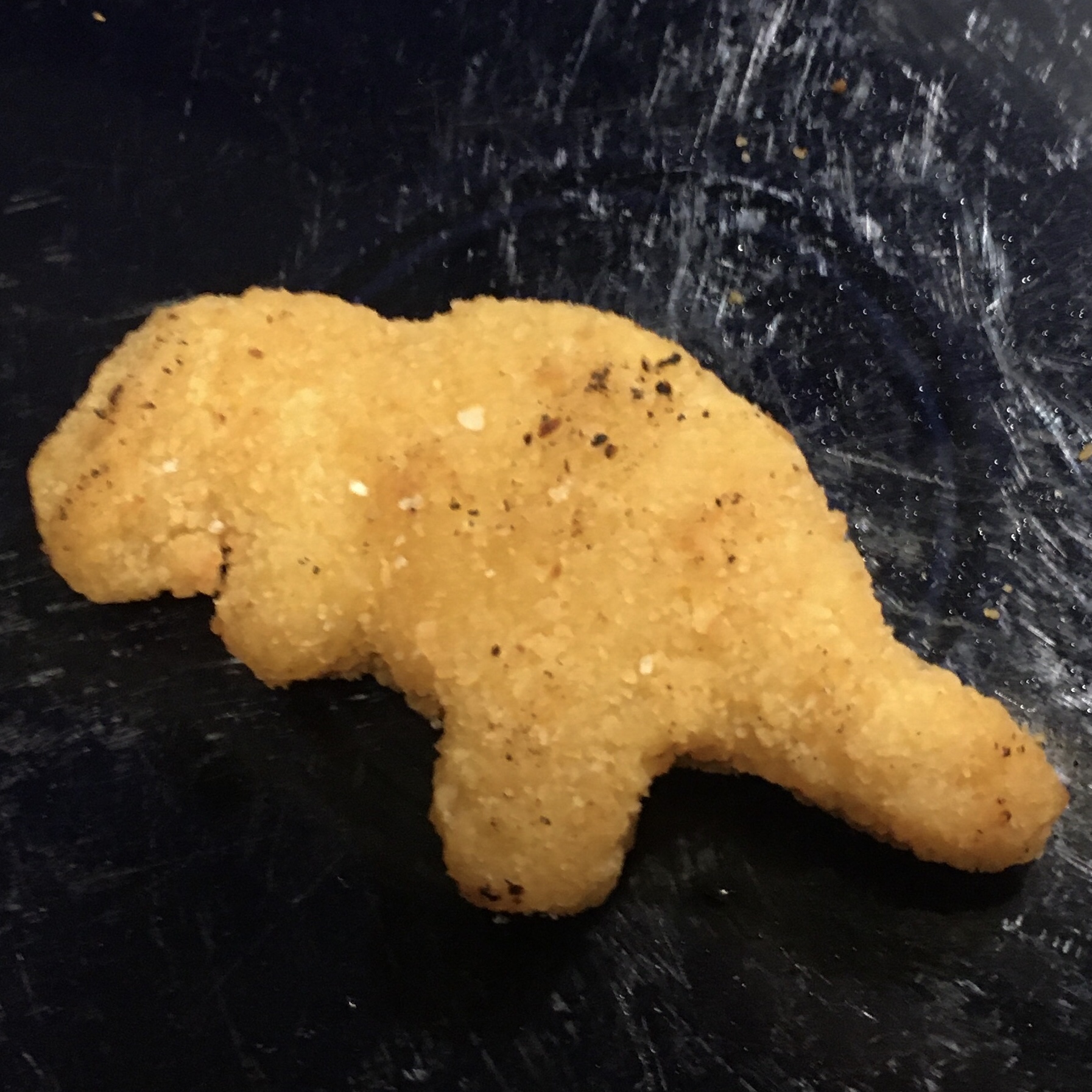


 Would I have thought of chicken and dumplings if I didn’t have a quart of really good stock? Probably not. I was kind of in the mood for pizza, but that for another day. Same with the pesto. Resources are not scarce, but it would have been a terrible shame to let that stock go sour, or the pesto spoil. What could have been clean-out-the-fridge night turned into a rich, comforting meal.
 Even those of who enjoy cooking at home regularly are trying to have a little more fun with it these days. Sometimes this means comfort food. Sometimes this means gourmet dinner preparations. Sometimes it’s a cross between Survivor and Chopped. And since we can’t invite each other over for dinner, the next best thing is sharing photos of our kitchen accomplishments. And, often, trying to make each other laugh.
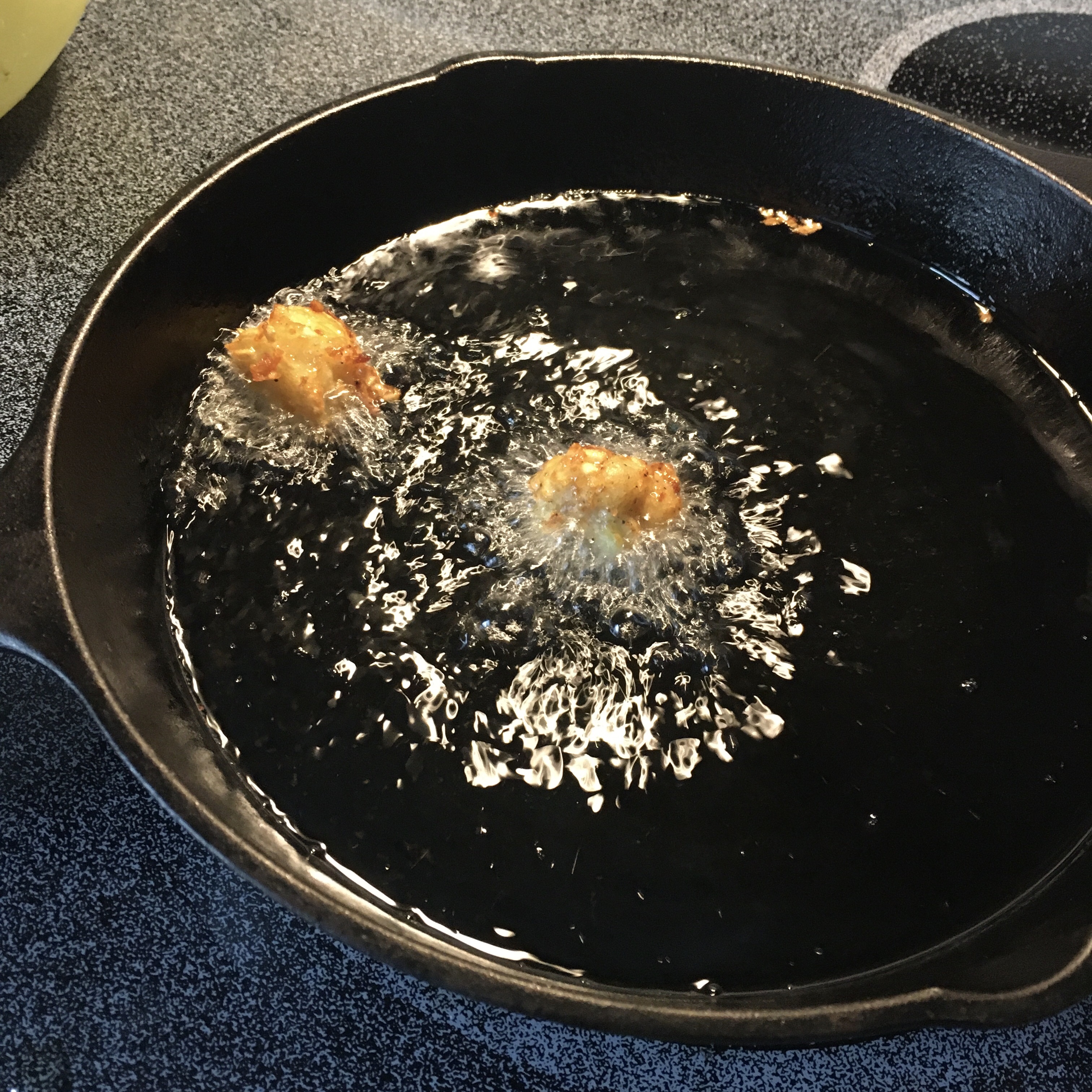

 Dinner at the Country House
Where Credit Is Due
I’ve been doing some work for a company that is building a virtual holiday community. Not a community for virtual holidays, but a virtual community where folks might enjoy some of the social aspects of the winter holidays that they’d otherwise miss during Covidtide. It’s not just for Christmas; the site opened with a celebration of Diwali, with Indian dance lessons, meditation sessions, and fireworks. There are virtual restaurants—”bring your own everything”!—where friends might gather around a virtual table, with backgrounds simulating the restaurant’s decor, and pages of recipes from the cultures whose holidays are being celebrated.
My job has been to edit the text in the various sections—and, since I have some experience in writing them here, in editing the recipes that were contributed by the writers of each section. This isn’t cookbook-level editing; I’m not making and taste-testing each dish. I’m looking for spelling errors, making the format consistent from dish to dish, and reading with the eye of an average home cook to check for ambiguous or missing instructions. Call me crazy, but in a pastry recipe, I think there should be some indication of what to do with the dough after it’s prepared. Like, say, put it in the oven. And maybe tell me how long to leave it there, or how I should know when it’s time to take it out. I sent a lot of them back to the site-runners with notes like, “Ask for clarification…” or “Don’t put this up until we get the oven temperature!”
In one section, many of the recipes seemed extremely vague—the sort that might have been found on a tattered, grease-stained piece of paper handed down from somebody’s great-great-grandmother. And then, all of a sudden, there were several that were really detailed. Down to a listing of Nutrition Facts: how many calories per serving, how much sodium, and so on. The sort of thing virtually no home cook would include in a recipe, even if they had access to the information. The hairs on the back of my neck would have raised, if they weren’t too long for that sort of thing since I’m so overdue for a haircut.
I did some quick web searching and, sure enough, found the exact recipe on a well-respected cookery-instruction site. (I won’t say which one, but it rhymes with “Snood Let Jerk Plot Bomb.”) I did some searching on the next recipe, and it showed up on another site, too.
I sent the site-runner—my employer and friend—a heads-up that those couple of recipes should be pulled, and why. I kept searching. It turned out that every single one of the recipes in that section was found on another site. Even the vague ones. I was heartsick, and so was my friend.
So, of course, we’ve had all the recipes pulled, at least until we can check their contributors, and provide proper links to their sources. It’s sad, but it’s necessary, and it’s only right.
It’s not that I think recipes shouldn’t be shared. Heaven knows most recipe sites offer a way to save and print the ingredients and instructions. But if you end up sharing such a recipe, don’t do it without proper attribution. That’s just not cool. Food isn’t intellectual property, but the compilation of ingredient lists and instructions is. Even if the recipe was originally typed up from a tattered, grease-stained piece of paper handed down from somebody’s great-great-grandmother. Nana and Aunt Sylvia and the test cooks at ATK—they all deserve to be recognized. Credit where credit is due.
Leave a comment
Posted in Uncategorized
Tagged commentary